Engineered Drainage Systems Built for Lowcountry Rainfall, Flooding & Water Table Challenges
CPL Sitework Solutions is Charleston’s trusted stormwater drainage contractor, delivering engineered systems that control runoff, prevent flooding, and protect homes, commercial properties, and development sites. From French drains and underground piping to swales, basins, culverts, and full stormwater networks, we design and install drainage solutions built specifically for Charleston’s high water tables, heavy rain, and coastal terrain.
When drainage fails, everything else fails. We make sure your system performs — even in Charleston’s toughest conditions.

STORMWATER DRAINAGE CONTRACTOR
UNDERGROUND UTILITIES CONTRACTOR
FRENCH
DRAIN
INSTALLATION
Charleston, with its charming streets and historic architecture, faces significant challenges when it comes to stormwater management. Frequent heavy rains can lead to severe flooding, making effective stormwater drainage solutions imperative. If you're a resident or business owner in Charleston, understanding the top stormwater drainage solutions available is crucial for protecting your property.
Stormwater drainage is essential for managing and directing excess rainwater away from urban areas to prevent flooding and water damage. Charleston's unique geographical and climatic conditions necessitate tailored approaches to stormwater management.
Summary
Charleston’s frequent heavy rains and low-lying terrain demand tailored stormwater solutions to prevent flooding and property damage. This guide highlights key options—French drains, dry wells, surface drainage (catch basins and channel drains), and subsurface systems—along with when they’re most effective. For complex conditions, hiring a knowledgeable local contractor ensures code-compliant designs suited to soil, water table, and site constraints. Selecting an experienced provider and the right mix of systems helps safeguard homes and businesses during major storms.
1. French Drains
French drains are a popular choice for many Charleston residents. These systems involve a trench filled with gravel or rock, containing a perforated pipe that redirects surface water and groundwater away from your property. Ideal for properties with minor flooding issues, French drains are both cost-effective and efficient.
2. Dry Wells
Dry wells offer another effective solution for managing stormwater. These underground structures collect runoff and gradually release it into the surrounding soil. Particularly useful in areas with poor drainage, dry wells can mitigate the risk of flooding by providing temporary water storage.
Professional Solutions from Contractors
For more complex stormwater drainage needs, hiring a stormwater drainage contractor in Charleston, SC is advisable. Professional contractors offer tailored solutions that take into account local regulations and environmental considerations.
3. Surface Drainage Systems
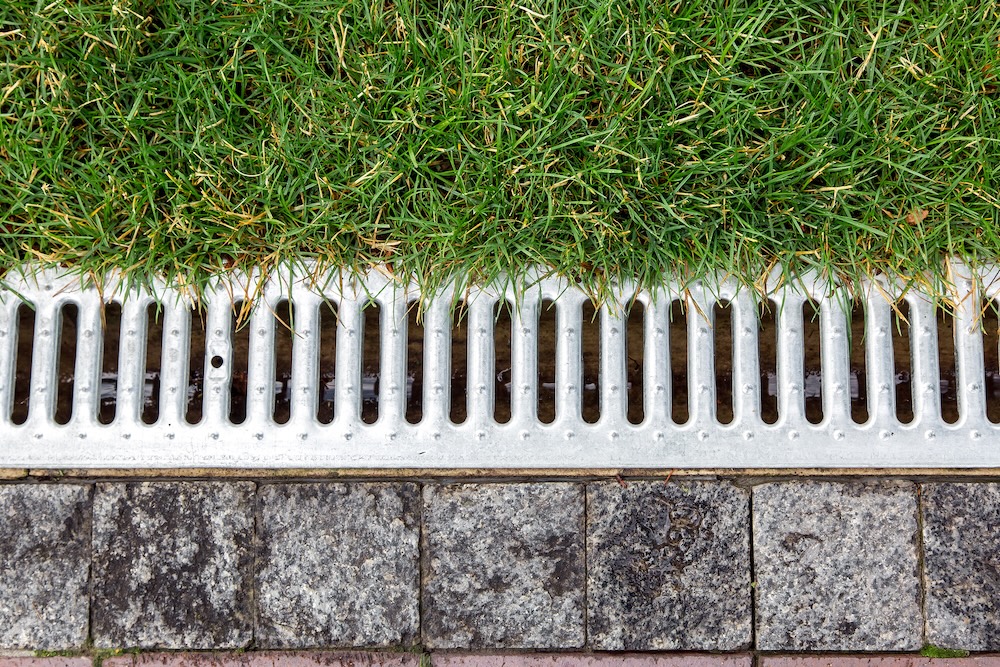
Surface drainage systems, such as catch basins and channel drains, are typically used in areas with heavy rainfall. These systems collect and direct runoff into underground pipes, effectively preventing water accumulation on your property. A professional contractor will design and install a system that meets the specific needs of your location.
4. Subsurface Drainage Systems
Subsurface systems are designed to manage water below the ground level, preventing it from seeping into basements or foundations. These systems include perforated pipes installed in trenches to redirect water away from vulnerable areas. Subsurface drainage is particularly beneficial for properties with high water tables or poor soil drainage.
Choosing the Right Contractor
When selecting a stormwater drainage contractor in Charleston, consider their experience, reputation, and understanding of local conditions. A reputable contractor will provide a thorough assessment of your property and recommend the most suitable drainage solutions.
Conclusion
Effective stormwater drainage is vital for protecting your property from flooding and water damage. Whether opting for DIY solutions like French drains and dry wells or seeking professional help from a stormwater drainage contractor, understanding your options is the first step towards safeguarding your home or business in Charleston.
To ensure the best results, consult with a local expert who can offer personalized advice and services tailored to your specific needs. By investing in the right stormwater drainage solutions, you can enjoy peace of mind even during Charleston's heaviest rains.
Q&A
Question: Which stormwater drainage solution is best for my Charleston property? Short answer: It depends on your site conditions and the kind of water problems you’re seeing. French drains are great for minor flooding and redirecting surface and shallow groundwater. Dry wells add temporary storage for runoff, helping reduce flood risk in areas with poor drainage. For heavy rainfall and visible pooling, surface systems (catch basins and channel drains) move water off your property, while subsurface systems protect basements and foundations—especially where water tables are high. For complex sites, a local contractor can tailor a code-compliant mix of solutions to your soil, water table, and layout.
Question: How do French drains work, and when are they most effective? Short answer: A French drain is a gravel-filled trench with a perforated pipe that collects and redirects surface water and groundwater away from problem areas. They’re most effective for minor, recurring wet spots, soggy lawn edges, or along the base of gentle slopes. Because they’re relatively cost-effective and efficient, many Charleston homeowners use them as a first-line, DIY-friendly option for smaller issues.
Question: What role do dry wells play in poor-draining areas? Short answer: Dry wells are underground chambers that capture runoff and slowly release it into surrounding soil, providing temporary storage during storms. In areas with poor drainage, this buffering effect helps reduce immediate surface flooding by holding water and letting it dissipate over time. Proper sizing and placement are important, and they’re often paired with other measures like French drains or surface inlets for best results.
Question: What’s the difference between surface and subsurface drainage systems? Short answer: Surface systems (catch basins and channel drains) collect visible runoff during heavy rains and route it through underground pipes, preventing water from pooling on driveways, patios, and low spots. Subsurface systems manage water below ground level—using perforated pipes in trenches—to keep it from seeping into basements or foundations. Subsurface options are especially useful on properties with high water tables or poor soil drainage.
Question: When should I hire a Charleston stormwater contractor, and how do I choose one? Short answer: Hire a contractor when your site has complex grading, frequent flooding, foundation concerns, or when local codes and permitting apply. A reputable Charleston contractor will assess your property, account for local regulations and environmental factors, and design a tailored, code-compliant system. Look for proven experience, strong reputation, and a clear, site-specific plan that explains recommended solutions.